


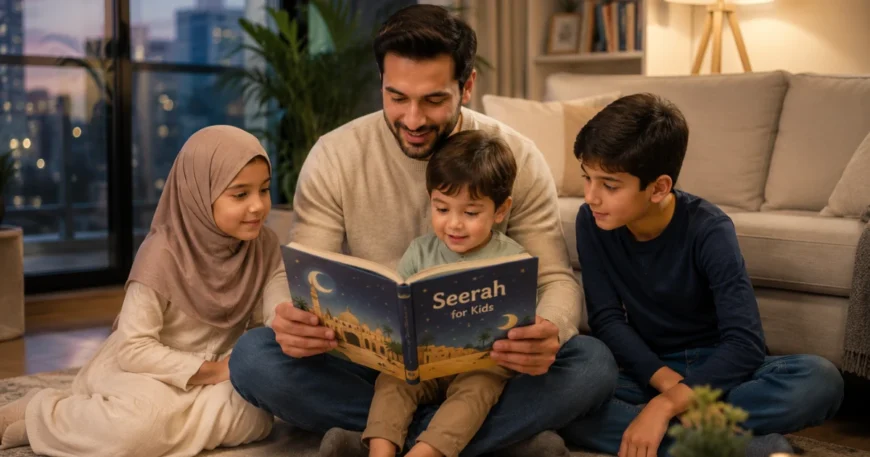
History often feels like a dry collection of dates to children, but introducing Seerah for Kids through engaging storytelling completely changes their perspective. When parents bring the compassionate life lessons of Prophet Muhammad peace be upon him into everyday routines, kids naturally connect with the narrative on a personal level.
Rather than relying on memorization, interactive tools like visual timelines, hands-on activities, and family discussions make these historical events come alive. This active participation keeps young minds curious and eager to discover more about their rich Islamic heritage.
By blending simple crafts and open conversations right at home, you can easily replace dull history lessons with an exciting journey of discovery. This practical approach makes Seerah for Kids both memorable and inspiring, helping your children build a lifelong connection to their faith.
Why History Bores Kids and How Learning Seerah for Kids Helps?
Traditional history lessons often bore children because they focus heavily on memorizing distant dates, rigid timelines, and textbook facts that feel disconnected from their daily lives. When history is taught as just another school subject to study for exams, kids quickly lose interest and perceive it as dry and irrelevant. Without a personal connection or emotional resonance, historical figures can feel like fictional concepts rather than real people whose lives and choices matter today.
Introducing Learning Seerah for Kids solves this problem by turning history into a living, relatable story of character, empathy, and adventure. The life of Prophet Muhammad peace be upon him provides timeless lessons on kindness, honesty, and resilience that children can easily apply to their own experiences at home and school. By focusing on Learning Seerah for Kids through engaging narratives and family discussions, history transforms from a dull classroom requirement into an inspiring, practical guide for building strong values.
Simple Everyday Strategies to Teach Prophet Muhammad ﷺ Life to Kids at Home
Bringing the Seerah into your home does not require complex lesson plans or formal classrooms. By embedding small and meaningful habits into your family routine, you can naturally Teach Our last and final Prophet Muhammad ﷺ (peace be upon him) Life to your children in a way that feels easy, joyful, and deeply personal.
Here are practical strategies to help you Teach Prophet Muhammad ﷺ Life effectively every single day:
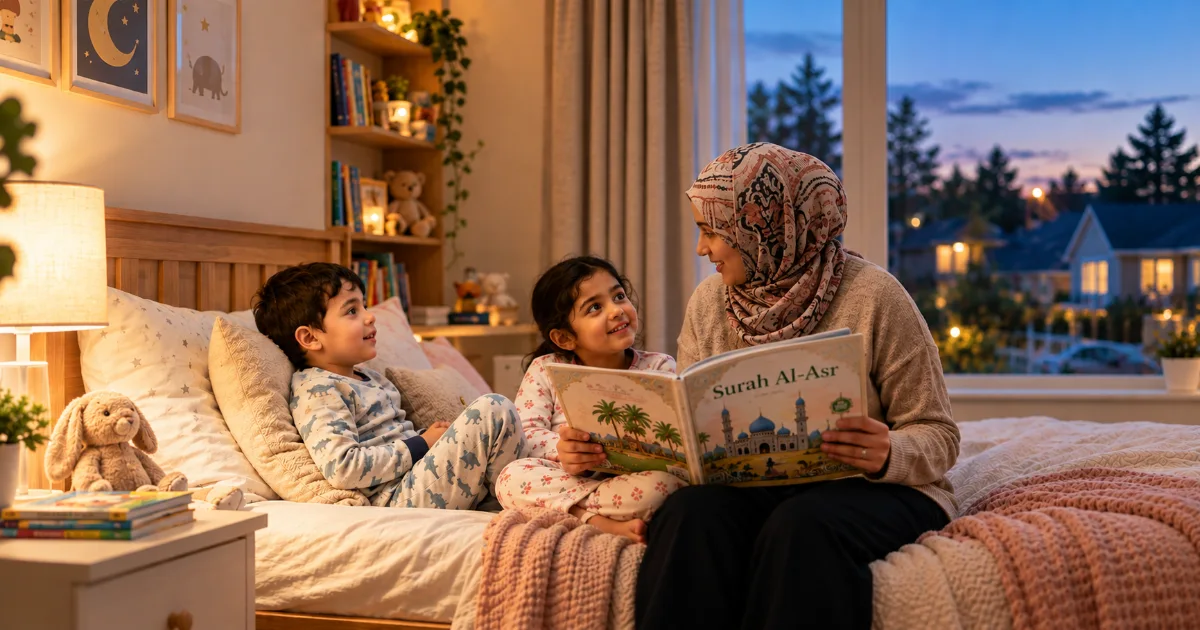
- Bedtime Story Sessions: End the day by reading short and inspiring moments from the Seerah, focusing on his kindness to animals, gentle humor with children, and noble character traits.
- Sunnah of the Week: Pick one simple sunnah every Sunday, such as smiling at others or greeting people warmly, and practice it together as a family challenge.
- Interactive Family Dinner Discussions: Ask open ended questions at the dinner table, such as how the Prophet peace be upon him would respond to difficult situations, to encourage active critical thinking.
- Good Deed Jar: Set up a visual deed tracker where kids add a marble every time they demonstrate a virtue taught by the Prophet, such as generosity or honesty.
- Prophetic Nature Walks: Take quiet walks outside to appreciate creation, teaching children how the Prophet peace be upon him deeply cared for the environment and animals.
- Visual Seerah Timeline: Create a simple and colorful wall banner where kids can stick hand drawn pictures representing major events in his life as you learn about them together.
- Character Role Play: Act out everyday modern scenarios, like sharing toys with a sibling or helping a neighbor, and tie them directly back to how the Prophet peace be upon him treated those around him.
- Gratitude and Dua Reminders: Teach short daily dua’s for waking up, eating, and sleeping, explaining the sweet and practical meanings behind why he recited them.
Transforming Ancient Events into Life Through Interactive Islamic Storytelling
Transforming historical events into living experiences requires shifting from passive reading to dynamic methods that capture a child’s natural imagination. Parents can bring these timeless moments to life by painting sensory pictures, encouraging kids to imagine desert settings, and asking thought provoking questions about key events. Through creative techniques in Islamic Story telling, parents bridge the gap between ancient history and modern childhood, making the Seerah feel relevant and active.
Interactive narrative approaches also help children internalize moral lessons while creating meaningful family bonding moments. Connecting historical choices with everyday situations allows kids to see how virtues like honesty and patience apply directly to their own lives. Using simple Islamic Storytelling methods at home ensures these powerful lessons stay with your children, building a strong foundation of faith, wisdom, and character.
Engaging Young Learners Through Seerah Games and Activities
Transforming abstract historical lessons into hands-on experiences is one of the most effective ways to captivate a child’s imagination, and incorporating Seerah Games and Activities into your daily routine makes learning about the Prophet ﷺ both fun and memorable. Instead of relying solely on reading, parents can introduce interactive board games focused on Islamic history, host family quiz nights, or set up creative arts and crafts projects like building a model of the Kaaba or crafting a Prophetic family tree. Role-playing gentle scenarios from the life of the Prophet ﷺ helps children practice traits like honesty, kindness, and gratitude in real-world contexts, while outdoor nature treasure hunts can teach them about his deep love and respect for creation. By blending play with purpose through thoughtful Seerah Games and Activities, complex historical events are turned into joyful discovery, helping young learners absorb key values naturally while building a vibrant, lasting bond with their faith.
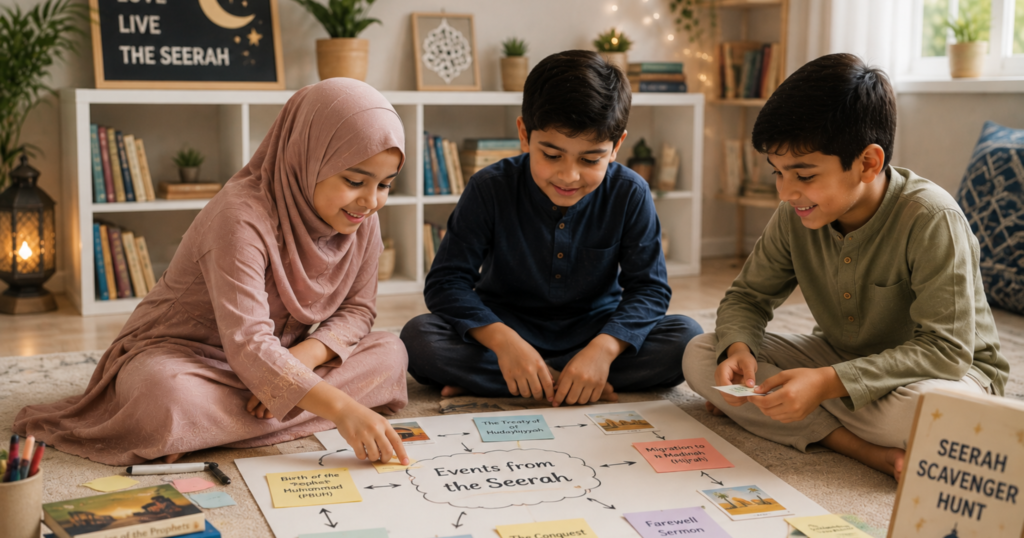
Interactive play also allows children to internalize noble virtues by putting them into practice during everyday life. Role playing gentle scenarios from the life of the Prophet ﷺ helps kids practice traits like honesty, kindness, and gratitude in realistic contexts. To make this learning journey even more structured, interactive courses and customized activity modules from Quran In Universe provide families with expert resources. You can explore their flexible pricing and plans to find interactive learning packages that fit your child’s pace, helping young learners absorb key values naturally while building a lasting bond with their faith.
Connecting Faith to Daily Actions: Practical Islamic Lessons for Young Children
| Islamic Lesson / Value | Prophetic Example | Practical Daily Action for Kids |
| Kindness & Compassion | Final and Last Prophet Muhammad ﷺ was always gentle with children, animals, and elders. | Share toys with siblings, feed local birds, and speak politely to parents. |
| Honesty & Integrity | Known as Al-Amin (The Trustworthy) even before prophethood. | Always tell the truth, return borrowed items, and keep promises made to friends. |
| Cleanliness & Hygiene | Emphasized that cleanliness is half of faith (Eman). | Wash hands regularly, perform Wudu carefully, and keep their bedroom tidy. |
| Gratitude (Shukr) | Consistently remembered Allah’s blessings and thanked others. | Say Alhamdulillah after meals, appreciate daily blessings, and thank people who help them. |
| Patience & Control | Responding to difficulty and anger with calm, warm character. | Take deep breaths when upset, use calm words instead of shouting, and wait patiently for their turn. |
| Generosity & Giving | Never turned away anyone in need and gave gifts willingly. | Put small coins in a charity jar (Sadaqah), donate unused toys, and offer smiles as charity. |
Supporting Your Home Routine via a Structured Online Islamic Learning Platform
Balancing daily routines with consistent faith-based education can be challenging for busy families, which is where a dedicated platform like Quran In Universe makes all the difference. Structured online programs provide expert-led, interactive courses tailored specifically for young minds, taking the pressure off parents while ensuring lessons remain authentic and engaging. Through organized schedules, live guided sessions, and age-appropriate modules, platforms like Quran In Universe help integrate Seerah and Quranic studies effortlessly into your child’s weekly routine.
- Structured & Flexible Learning: Access well-paced curricula designed for kids, allowing your family to maintain a consistent learning habit without disrupting school or homework schedules.
- Interactive Seerah & Quran Sessions: Engage children with passionate, qualified tutors from Quran In Universe who use creative visual aids and discussion to bring Islamic history to life.
- Progress Tracking for Parents: Easily monitor your child’s growth, assignment completion, and understanding of key Prophetic values through regular updates.
By incorporating an online platform like Quran In Universe into your home routine, learning becomes a structured yet fun adventure for your kids. This consistent digital guidance empowers children to stay connected to their values while giving parents peace of mind that their faith education is in caring, expert hands.
Frequently Asked Questions About Learning Seerah for Kids
Why do kids find history lessons boring?
Kids often find history boring when it is presented as memorizing facts, dates, and textbook lines without any emotional connection or real-world relevance to their daily lives.
What age is best to start teaching Seerah?
You can start introducing basic Seerah concepts around ages 4 to 6 through gentle bedtime stories, focusing on the Prophet’s kindness to animals and family before diving into detailed events as they grow older.
How to teach Seerah without screen time?
You can use physical picture books, interactive storytelling with props, arts and crafts (like building maps or models), and family role-playing activities to keep kids engaged completely screen-free.
What interactive games work best for Seerah?
Trivia quiz cards, Seerah-themed board games, character-building role-play scenarios, and outdoor nature treasure hunts work best to keep young learners actively involved.
How does Seerah improve a child’s character?
It provides real-life, practical examples of virtues like honesty (Al-Amin), patience, and generosity, giving children a relatable role model to emulate in their everyday habits.
How can busy parents maintain a daily routine?
Parents can set aside just 5 to 10 minutes during bedtime or after dinner for short stories, or enroll their children in structured online programs like Quran In Universe to keep learning consistent.
Are online classes better than self-study?
Online classes offer structured guidance, expert tutors, and structured discipline, making them ideal for busy families, while self-study works great as a supplement at home.
What books or tools work best for beginners?
Illustrated Seerah storybooks, visual timelines, daily Sunnah tracking charts, and interactive flashcards are ideal starting tools for young beginners.
Related Posts